
Sources for Former Hopewell City Owners
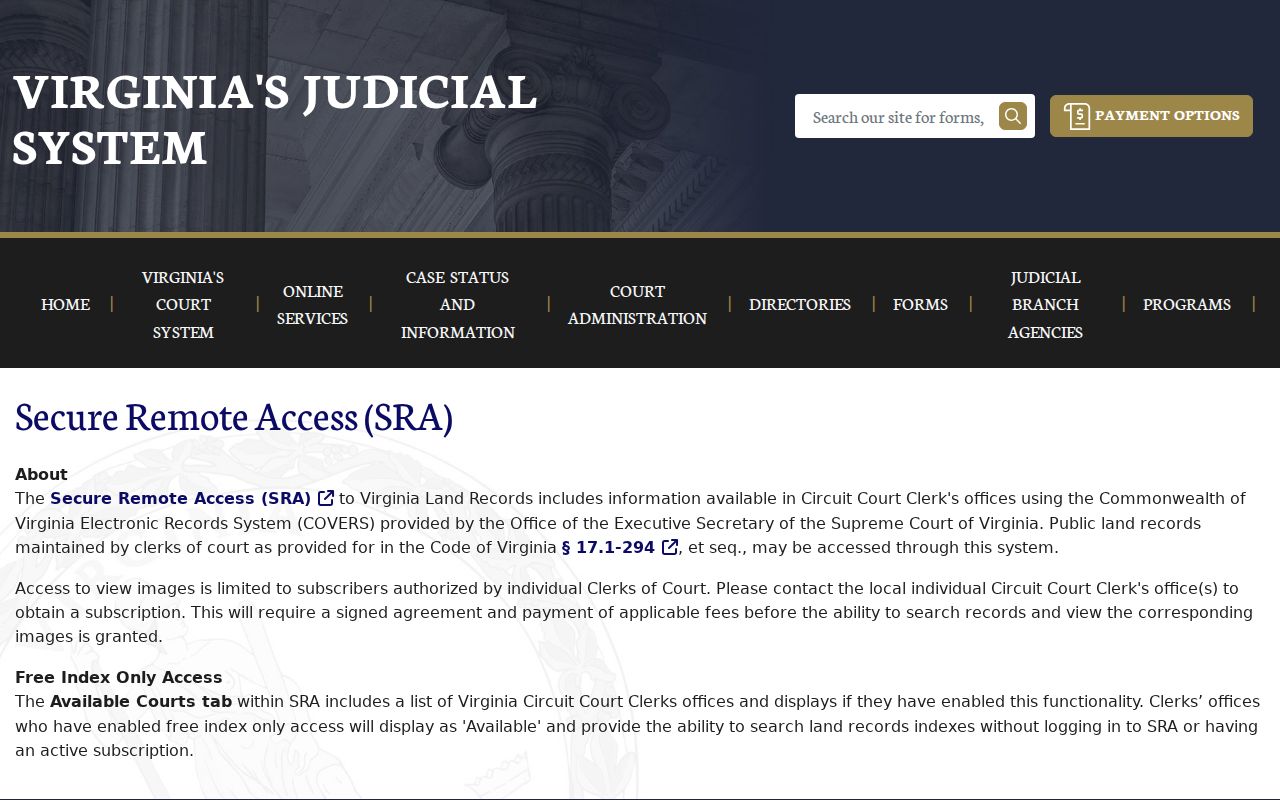
Finding a past owner takes a few key records. Start with the newest deed. Its grantor names the seller in the prior conveyance. The Hopewell Circuit Court Clerk holds deeds, deeds of trust, releases, and plats. Virginia's Statewide Searchable Real Estate Index (SRA) adds a statewide index. Where enabled, it also serves document images. Historical aids like land books and old maps carry their own year coverage, so the table separates them from sources with firm local scope.
| Source | Years It Covers | Where Held | What It Shows |
|---|---|---|---|
| Hopewell deed index and recorded instruments | Online cutoff not confirmed; ask the Clerk about older entries | Hopewell Circuit Court Clerk / Virginia SRA | Grantors, grantees, dates, instrument references, and conveyed descriptions |
| Annual taxable and exempt Land Books | Dated files located for 2018–2022; older coverage varies | City assessment files and Clerk distribution | Year-specific ownership and assessment context |
| Historical plats and maps | Depends on the map or instrument | Clerk, City GIS, or archival collections | Lot layout, street changes, boundaries, and recorded parcel relationships |
| Library of Virginia locality records | Historical formation and annexation references | Library of Virginia | Which jurisdiction may have held a record at a particular time |
For recent transfers, start in the SRA index. The index is free where enabled, though images can require a subscription or payment. Older ownership context lives in annual assessment files and historic maps. Pin down the legal description first. A street address alone can mislead. Redevelopment can reassign it to a different lot. Virginia's SRA access page explains the statewide real-estate index and its image-access model.
An index entry is only a pointer. Confirm the actual deed image or the Clerk's copy before drawing any conclusion about title.
Work Backward Through the Hopewell Deed Chain
A chain of title strings a property's conveyances together. Start with the most recent grantee. Search that party's name in the grantor index to reach the prior deed. Repeat with the seller in each prior deed. Match the legal description, not just the owner name. One person can own several nearby parcels, and a single deed may convey only part of a tract. Keep a written timeline with the instrument date, recording date, book or instrument reference, grantor, grantee, and legal description.
- Find the latest deed naming the current owner as grantee and note its recording reference.
- Read the deed’s grantor, legal description, and stated title form; check that the parcel described matches the property being researched.
- Search the grantor as an earlier grantee and compare that prior deed’s description before stepping farther back.
- When the online index no longer reaches the needed period, ask the Clerk which older index, deed book, or image source covers that date.
- Grantor / grantee
- The parties conveying and receiving an interest, as identified in a deed.
- Chain of title
- The ordered set of recorded transfers that helps explain how ownership passed.
- Legal description
- The boundary-based description of land that helps distinguish a parcel from its street address.
Match Former Street Names to the Legal Description
Street addresses make handy search keys. Older deeds may predate the current street name, numbering system, or parcel reference, though. Hopewell's incorporation and annexations make this a real issue near City Point and the former Prince George boundary. Orient yourself with the current parcel map first. Then compare the deed's lot, block, metes-and-bounds, or plat reference.
A name match without a land-description match proves nothing. Two nearby lots can carry similar addresses, or share a former owner. Keep each parcel reference separate. Then verify what land each instrument actually conveyed. That check is what makes a chain link reliable.
Account for Name and Estate Variations
Old indexes play tricks with names. Grantor and grantee entries may use initials, spelling variants, married names, or the legal name of an estate or business. Search every likely variant. Treat each hit as a lead, not proof. A will, probate entry, or vital record can explain a person's history, while the deed or fiduciary instrument shows the actual transfer of the property interest. When an owner died, the estate record may name an executor or administrator, but the conveyance itself still needs locating.
Log rejected name matches too. Note the parcel description that ruled each one out. That habit guards against assuming every same-surname transaction concerns the same land.
How Hopewell’s Locality History Affects Older Names
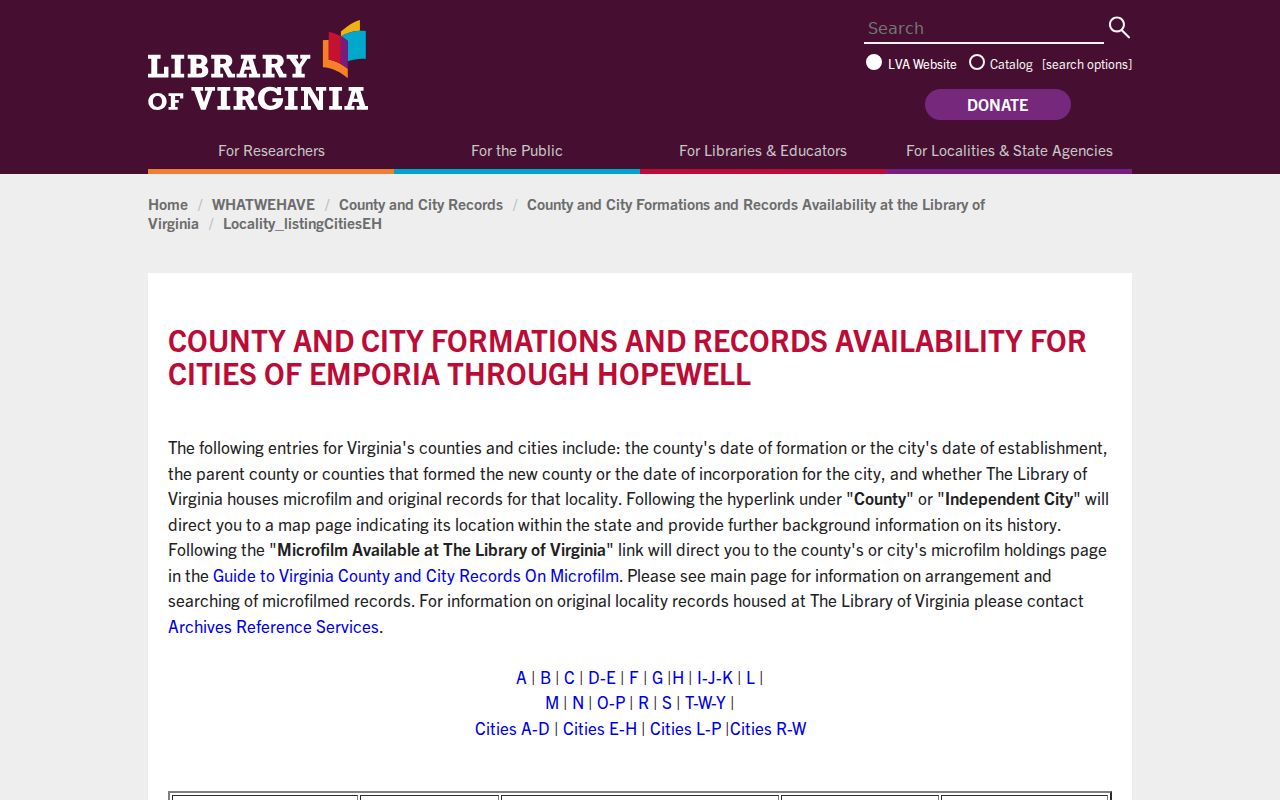
Hopewell incorporated as a city in 1916. City Point joined in 1923. Prince George County land followed in 1952 and 1969. A parcel's modern city address therefore does not settle which locality label an older record will carry. When the chain crosses one of those dates, search the legal description and historical jurisdiction along with the current street name. The Library of Virginia's locality references help establish the jurisdictional sequence. They never replace the deed itself.
The Library of Virginia's locality formation listing provides context for Hopewell's city status and annexation history.
Use the locality reference to frame the search period. Confirm every transfer in a deed or dated assessment.
Hopewell's 1915 downtown fire preceded the city's 1916 incorporation and led to rebuilding. The fire caused no known loss of land records. Do not infer a deed-book gap from the fire alone. If a chain link goes missing, ask the Clerk about indexes, plats, or related instruments before treating it as a loss.
Use Land Books to Check a Year in the Chain
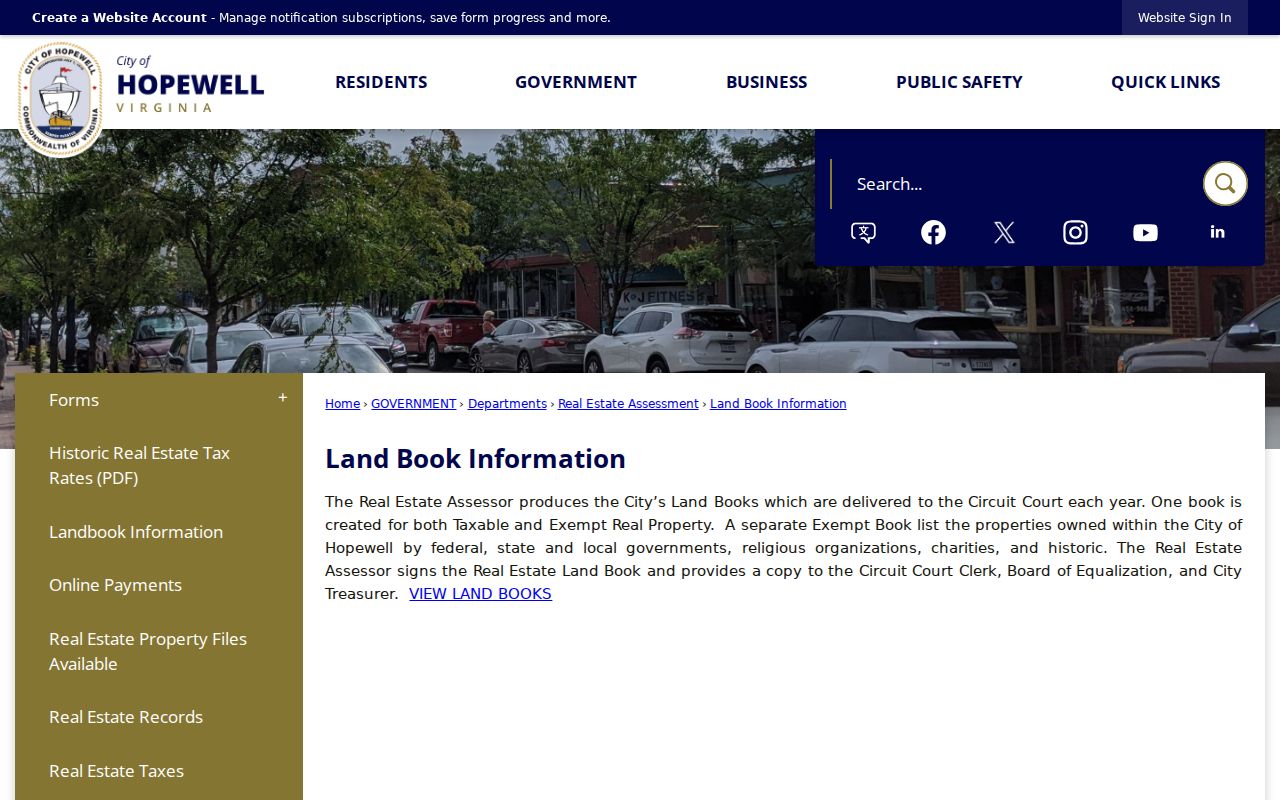
Land Books work differently from deeds. They are annual assessment records, not conveyance instruments. They show who was on the tax roll in a given year rather than who signed a deed. Hopewell distributes both taxable and exempt Land Books to the Clerk, the Board of Equalization, and the Treasurer. Dated property files run from 2018 through 2022. That coverage makes a Land Book useful for corroborating that a name or parcel appeared in a particular year. It cannot establish every title interest or stand in for the transfer deed itself. Hopewell’s Land Book information page describes this annual public record and how it is distributed.
A Land Book is best used to narrow the window in which a transfer likely occurred. Once the year is pinned down, move to the Clerk’s deed index to find the instrument that actually conveyed the property.
Separate Property History from Family Genealogy
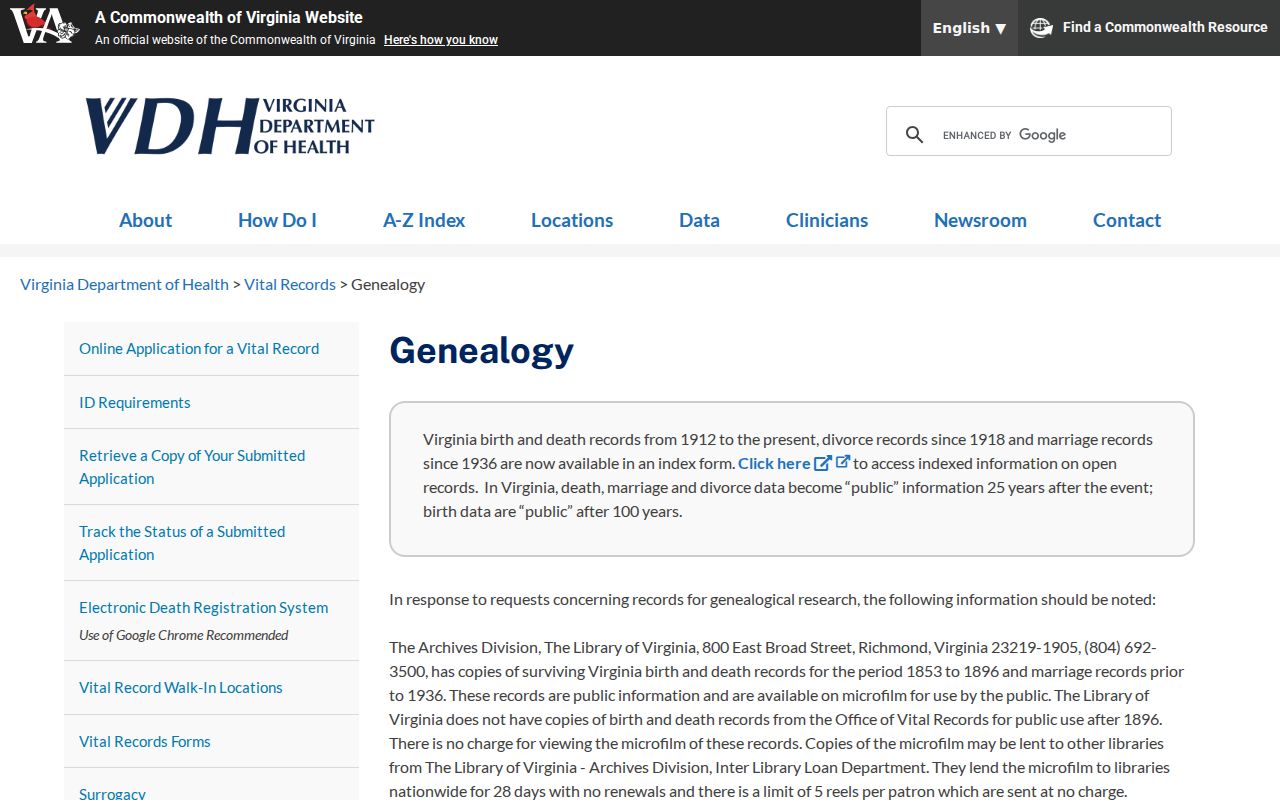
Deeds and genealogy records answer different questions. A historic deed documents land interests, while vital records and family sources cover births, deaths, and relationships. Treat them as separate tracks. A former owner may have held a parcel through an estate or jointly with another person, and a name in a genealogy index proves nothing about title. When probate drove the transition, search the relevant court material along with any recorded fiduciary deed or distribution instrument that exists. Virginia’s vital-record genealogy page explains access periods and archival routes for vital records.
Treat genealogy sources as context only, and verify ownership through deeds, land books, and estate instruments.
Know When the Online Trail Ends
The online trail has limits. The state index and the Clerk’s custody are established, but Hopewell’s exact online cutoff year is not, so do not assume a particular year or that every deed image is available online right away. For a missing period, contact the Clerk at 100 E. Broadway, Room 251, Hopewell, VA 23860, or call 804-541-2239 during public hours, 8:30 a.m. to 4 p.m. Ask which grantor-grantee indexes and deed books cover your date. If you need copies, ask about reproduction fees and whether the instrument must be identified first.
Older records bring another wrinkle. Names may be indexed by initials, spelling variations, married names, or company names, so search reasonable variants and compare property descriptions rather than names alone. A title professional can help interpret conflicting conveyances or unresolved interests.
House history and due diligence. Former-owner research is useful for property history, boundary context, and title review. Keep it connected to the parcel and do not use personal details to follow or harass a living person.